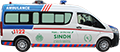
Every July, Sindh’s emergency lines see a rise in calls linked to heat, and elderly falls and dehydration are among the most common reasons families call for help. Heat affects balance, blood pressure, strength, and alertness, so a fall that looks minor can turn serious within minutes, especially in older adults who are already dehydrated.
Older adults often don’t feel thirst as quickly as younger people, and many take medicines for blood pressure, diabetes, heart disease, or kidney problems that can worsen dehydration or interfere with how the body handles heat. According to a peer-reviewed review of thermoregulation in ageing adults, older people experience reduced sweating, slower cardiovascular adjustment to heat, and impaired hydration status compared with younger adults, all of which raise the risk of dehydration and heat-related illness.
In Sindh, July heat health risks are compounded by high humidity, power outages, crowded homes, and long outdoor exposure. All of this can make an older person feel weak, lose balance, faint, or fall: even indoors, where heat can build up during the afternoon. Families should check on elderly relatives more often on hot days, particularly if the power has been out or the home lacks ventilation.
Common signs of dehydration include a dry mouth or cracked lips, dizziness or light-headedness, weakness while standing or walking, dark or reduced urine output, headache or unusual tiredness, confusion, a fast heartbeat, and sunken eyes or cold hands.
Heat stress signs may include heavy sweating, muscle cramps, nausea, headache, or fainting. Danger increases sharply if the person becomes confused, stops sweating, develops hot skin, or loses consciousness; these can be signs of heatstroke, which need urgent medical attention.
Mild dehydration may improve with rest, shade, and fluids. Severe dehydration, however, can become dangerous quickly, especially in older adults.
Call an ambulance if the person cannot drink or keeps vomiting, is confused, fainting, or very weak, has produced no urine for several hours, has very fast breathing or heartbeat, has a seizure, shows signs of heatstroke, or becomes dehydrated after a fall or collapse.
If the person is unconscious or very drowsy, do not give water by mouth. Keep them cool and wait for rapid emergency response.
Call SIEHS 1122 immediately if the elderly person:
Do not force the person to stand quickly, and do not move them if you suspect a head, neck, spine, or hip injury; wait for trained help to arrive.
In Sindh, families can rely on SIEHS 1122 Emergency Ambulance Service for a free emergency ambulance service in Sindh, available as part of a 24/7 emergency ambulance response network. For situations that don’t need an ambulance, Tele-Tabeeb 1123 connects families to a doctor for guidance before deciding on next steps.
While waiting for emergency medical technicians to arrive:
Small steps can prevent many emergencies. Keep drinking water within reach and offer fluids often, even before thirst begins. Use ORS when advised, especially after heavy sweating, vomiting, or loose motions.
Keep rooms ventilated, use curtains during peak heat, and encourage light clothing while avoiding outdoor activity during the hottest hours. Remove loose rugs, trailing wires, slippery mats, and clutter from walking areas, and improve lighting at night to reduce bathroom-related falls. Finally, review medications with a doctor if an older person often feels dizzy; certain blood pressure or heart medications can increase the risk of falls and dehydration.
Emergency Health Services in Sindh through SIEHS 1122 extend well beyond Karachi. Ambulance service Karachi and emergency ambulance Hyderabad are among the busiest routes, but emergency ambulance coverage across Sindh reaches districts including Sukkur, Larkana, Mirpurkhas, Tharparkar, Nawabshah, and Dadu, alongside dozens of other locations across the province’s operational network. Wherever an elderly relative lives in Sindh, the same free ambulance Sindh service and response standard apply, dial 1122 for patient transport and emergency care.
Elderly falls and dehydration can escalate quickly during Sindh’s July heat. Families should watch for weakness, confusion, fainting, head injury, severe pain, or signs of heatstroke, and act early rather than waiting to see if symptoms pass.
When in doubt, it’s safer to call for help early. Sindh Integrated Emergency & Health Services (SIEHS) provides 24/7 emergency ambulance response through SIEHS 1122, and Tele-Tabeeb 1123 offers a 24-hour telemedicine platform for guidance before a condition becomes worse.
Can dehydration cause an elderly person to fall, or does a fall cause dehydration?Both directions are common. Dehydration lowers blood pressure and causes dizziness, which can lead directly to a fall. A fall can also leave someone immobile and unable to reach fluids, which then leads to dehydration. This is why the two are assessed together, not separately.
Is heatstroke different from dehydration?Yes. Dehydration is a loss of body fluids that can usually be corrected with rest and fluids if caught early. Heatstroke is a medical emergency where the body’s temperature-regulation system fails, it can cause confusion, hot skin, and loss of consciousness, and needs immediate ambulance care.
What number should I call for a free emergency ambulance in Sindh?Dial 1122 for SIEHS 1122 Emergency Ambulance Service, a free emergency ambulance service in Sindh available 24/7. For non-emergency medical advice, dial 1123 for Tele Tabeeb 1123.
What should I tell the ambulance dispatcher when I call?Give the person’s age, what happened (fall, fainting, or heat exposure), whether they are conscious, any visible injury or bleeding, and your exact location, including the nearest landmark.
WhatsApp us