You can feel completely fine and still have high blood pressure. Here is what the symptoms, risk factors, and readings actually mean, and when to seek care.
Hypertension means blood pushes against your vessel walls with consistently high pressure. Over time, this can damage major organs without causing any noticeable discomfort. Feeling healthy does not confirm that your blood pressure is healthy. A measurement is the only reliable way to detect a problem.
Someone can discover raised readings during a routine check despite having no headaches or dizziness at all. Waiting for symptoms before getting checked can delay treatment by months or years.
Most people have no clear hypertension ki alamat. Very high blood pressure can occasionally cause:
These symptoms can have other causes too, so they cannot confirm hypertension without an actual measurement. When searching for BP high hone ki alamat, treat a symptom list as a prompt to get checked, not as a diagnosis.
Not reliable on its own. A blood pressure headache is not a reliable way to identify hypertension, since most raised readings cause no headache at all. Dangerously high pressure can occasionally cause a severe headache, and a sudden, extremely painful one needs emergency assessment, especially alongside weakness, confusion, or vision changes. Do not dismiss it as “just BP.”
Knowing your risk factors matters as much as knowing the symptoms. Common contributors include:
of Pakistani adults aged 30–79, about 38.6 million people, have high blood pressure — but only 12% have it under control. (The News, citing WHO)
Blood pressure readings contain two numbers, measured in mmHg:
A normal adult reading generally sits below 120/80 mmHg, provided it is not unusually low. The normal blood pressure range and your treatment target are different concepts, and guidelines vary. WHO uses repeated readings of 140 systolic or higher, or 90 diastolic or higher, to diagnose hypertension, and home averages of 135 systolic or higher, or 85 diastolic or higher also warrant review. One raised reading usually needs confirmation through repeated measurement, not a single check.
Use a validated upper arm monitor with the correct cuff size. Before checking:
Take two readings at least one minute apart, and record both with the date and time. Common mistakes include checking straight after strong chai, using a cuff that is too small, or measuring over clothing.
Contact a doctor if your readings repeatedly exceed the thresholds above, or if you notice recurring headaches, blurred vision, or other concerning symptoms. Do not wait for obvious high BP symptoms before arranging care.
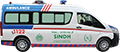
If your upper number reaches 180 or your lower number reaches 120, this is a hypertensive crisis. Wait one minute and repeat the measurement. If it stays this high, get medical help immediately rather than taking extra tablets on your own. In Sindh, call 1122 for a free emergency ambulance.
A hypertensive crisis can trigger complications that need immediate ambulance care, so learn the signs of both:
Do not drive yourself or the patient to hospital. Learn more about how heart attacks and cardiac emergencies show up in Pakistan.
SIEHS 1122, the free emergency ambulance service in Sindh, is run by Sindh Integrated Emergency & Health Services, the province’s non-profit emergency health services provider. Crews are staffed by trained emergency medical technicians using advanced life support systems, including a cardiac monitor and defibrillator on board — directly relevant to a hypertensive emergency or suspected heart attack.
Regular checks and prescribed treatment matter more than watching for symptoms. Take medication consistently and discuss any side effects with your doctor. A normal reading while on tablets usually means the treatment is working, not that you can stop taking them.
Reduce salt intake, particularly from achar, papad, packaged snacks, and instant noodles, since packaged foods can carry substantial sodium. Avoid tobacco, stay active, and keep follow-up appointments. For ongoing questions between appointments, Tele-Tabeeb 1123, SIEHS’s 24-hour telemedicine platform, connects you with a doctor who can give a preliminary diagnosis over the phone and advise whether you need in-person care.
Yes. Most people with hypertension have no noticeable symptoms, and regular measurement is what identifies it before complications develop.
Age, excess weight, a high salt diet, low activity, smoking, diabetes, family history, and chronic stress are the main contributors. It is rarely caused by one single factor.
Usually not. Doctors assess repeated readings or home monitoring over time, though a very high single reading still needs prompt advice.
No, not without medical advice. A normal reading on medication usually means the treatment is controlling your blood pressure, not that the condition has gone.
1122 is the ambulance number in Sindh for any medical emergency, including a suspected hypertensive crisis, heart attack, or stroke. The service is free and available 24 hours a day.
Understanding high blood pressure ki alamat starts with recognising that symptoms may never appear. Regular measurement and timely medical advice give a clearer picture than waiting to feel unwell.
WhatsApp us